 how-to
RV Repair Shop Port Alberni: Find Local Services
Table of Contents
- RV Repair Shop Services and Options
- Benefits of Mobile RV Maintenance Services
- Common RV Repairs and Maintenance Needs
- Preventative RV Maintenance Checklist
- Cost of Mobile RV Repair and Service
- How to Choose an RV Repair Shop
- Emergency Roadside Assistance and Towing
- DIY Troubleshooting Before Calling a Mechanic
- Conclusion
- Frequently Asked Questions
Last Updated: October 4, 2026
RV Repair Shop Services and Options
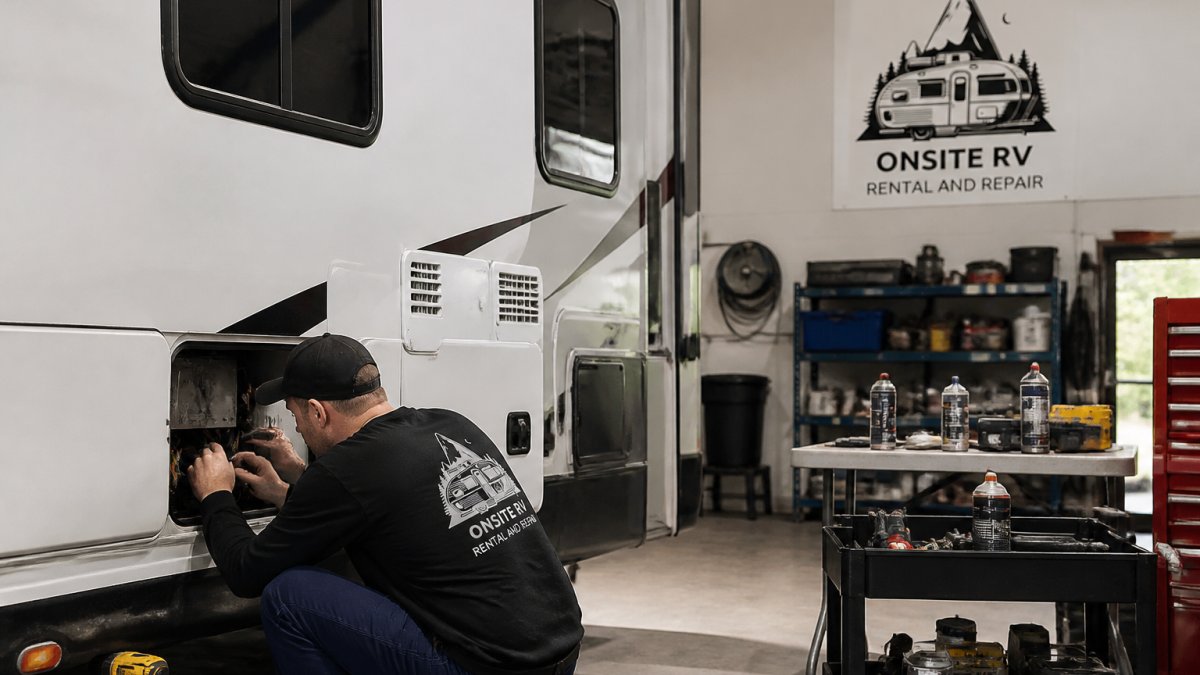
Finding a reliable rv repair shop that understands your specific needs, chassis issues, electrical problems, or routine maintenance, makes the difference between a quick fix and weeks of downtime. At ONSITE RV RENTAL AND REPAIR, we work with RV owners across Vancouver Island seeking qualified technicians who understand recreational vehicle systems.
Not all mechanics understand RV systems. Your motorhome or trailer has specialized plumbing, propane, electrical, and appliance systems that differ significantly from standard automotive repair, making the right rv repair shop choice critical.
Mobile RV Mechanic Services
Mobile RV mechanics come directly to your location, home, campground, or roadside, eliminating towing and transportation. Many RV owners prefer this approach because they can watch the work and ask questions in real time.
Mobile service works best for diagnostics, preventative maintenance, minor repairs, and system inspections. A qualified technician can assess your chassis, drivetrain, electrical systems, and appliances without moving your rig.
The main limitation is equipment capacity. Extensive welding, transmission work, or specialized parts may require a service center, but mobile mechanics handle most routine maintenance and repairs efficiently.
In-Shop Repair and Diagnostics
A dedicated service shop offers full diagnostic equipment, specialized tools, parts inventory, and lift bays for complex repairs like transmission work, suspension service, or major chassis repairs.
An rv repair shop with a physical location can store your rig during larger projects, allowing you to drop off your motorhome rather than coordinate multiple mobile visits.
ONSITE RV RENTAL AND REPAIR operates both mobile and in-shop services. Mobile service comes to you for diagnostics; our shop handles major repairs requiring lift bays and specialized equipment.
Benefits of Mobile RV Maintenance Services
Mobile service eliminates the stress of arranging transportation for a large motorhome and finding temporary parking. You control your schedule instead of working around service center hours.
Mobile technicians complete work faster without juggling multiple vehicles, so you pay only for time on your systems, not facility overhead.
Personalized attention is another advantage. You can discuss concerns directly, ask questions, and get tailored recommendations. This helps new RV owners understand their motorhome and avoid costly mistakes.
Mobile service works well for owners intimidated by RV systems. A good mechanic walks you through what was found, fixed, and what to watch for, building confidence and preventing surprises.
Common RV Repairs and Maintenance Needs
Understanding what your recreational vehicle actually needs helps you prioritize spending and avoid unnecessary work. Most RV owners face similar issues: seasonal maintenance, system failures, and wear-and-tear repairs.
Chassis and Drivetrain Repairs
Your motorhome's chassis is the foundation. Brake service, suspension work, tire repair, and drivetrain maintenance are critical for safe travel. Transmission fluid and oil changes follow schedules based on engine hours and mileage.
Diesel engines require specific maintenance: fuel filter changes, coolant flushes, and belt inspections. Many RV owners overlook drivetrain maintenance until problems develop, which becomes expensive.
Preventative chassis maintenance is far cheaper than emergency roadside assistance and catches worn brake pads, tire damage, and suspension issues before they strand you.
Electrical Systems and Appliance Service
RV electrical systems are complex, combining shore power, generator power, and battery power. When something fails, it's often unclear whether the problem is in the panel, inverter, batteries, or appliance.
Diagnostic testing identifies the actual issue using specialized equipment to trace power flow and isolate failures. Common problems include dead batteries, faulty converters, generator issues, and shore power failures.
Appliances, refrigerators, water heaters, air conditioning, microwaves – each has its own power requirements and failure modes. Propane appliances need regular inspection for safe operation; electrical appliances require proper voltage and grounding.
Plumbing and Propane System Maintenance
RV plumbing systems are smaller and more sensitive than home plumbing. Frozen pipes, clogged drains, leaking seals, and water heater failures are common. Winterization protects your system by draining water tanks and lines.
Propane systems power heating, cooking, and hot water. Propane leaks are serious safety concerns. Regular inspection of lines, regulators, and connections prevents dangerous situations. Many RV owners prefer hiring qualified technicians rather than attempting DIY repairs.
Preventative RV Maintenance Checklist
| Task | Frequency | Why It Matters |
|---|---|---|
| Oil and filter change | Every 6 months or 500 hours | Engine protection and longevity |
| Tire pressure and wear inspection | Monthly | Safety and fuel efficiency |
| Brake fluid check | Every 6 months | Braking reliability |
| Propane system inspection | Annually | Safety and leak detection |
| Winterization (if in cold climate) | Before winter storage | Prevents frozen pipes and damage |
| Electrical system test | Annually | Identifies battery and converter issues |
| Appliance function check | Monthly | Catches failures before breakdown |
| Roof and seal inspection | Twice yearly | Prevents water leaks and interior damage |
| Generator maintenance | Every 100 hours | Ensures power when needed |
| Exterior caulk and sealant check | Annually | Prevents water intrusion |
New RV owners often feel overwhelmed. Start with basics: tire pressure, fluid levels, and visual inspections. Keep records of all service work to help future mechanics and protect resale value.
Cost of Mobile RV Repair and Service
Labor rates depend on technician experience and repair complexity.
Service call fees for mobile mechanics often include a travel charge, though this may be waived for full repairs. Emergency weekend or after-hours calls carry a surcharge.
Common repair costs depend on the specific repair, parts needed, and labor involved.
Parts availability affects both cost and timeline. Specialized RV components may need to be ordered, potentially increasing labor costs if the technician must make multiple visits.
Emergency roadside assistance carries different pricing. If you're stranded and need immediate repairs on the road, labor rates may be higher than shop rates, and you'll pay for the technician's travel time to reach you.
A trusted service provider can advise whether repairs are urgent, helping you avoid emergency surcharges.
How to Choose an RV Repair Shop
Selecting the right service provider is one of the most important decisions you'll make as an RV owner. The wrong choice can leave you stranded, damage your systems further, or drain your budget unnecessarily.
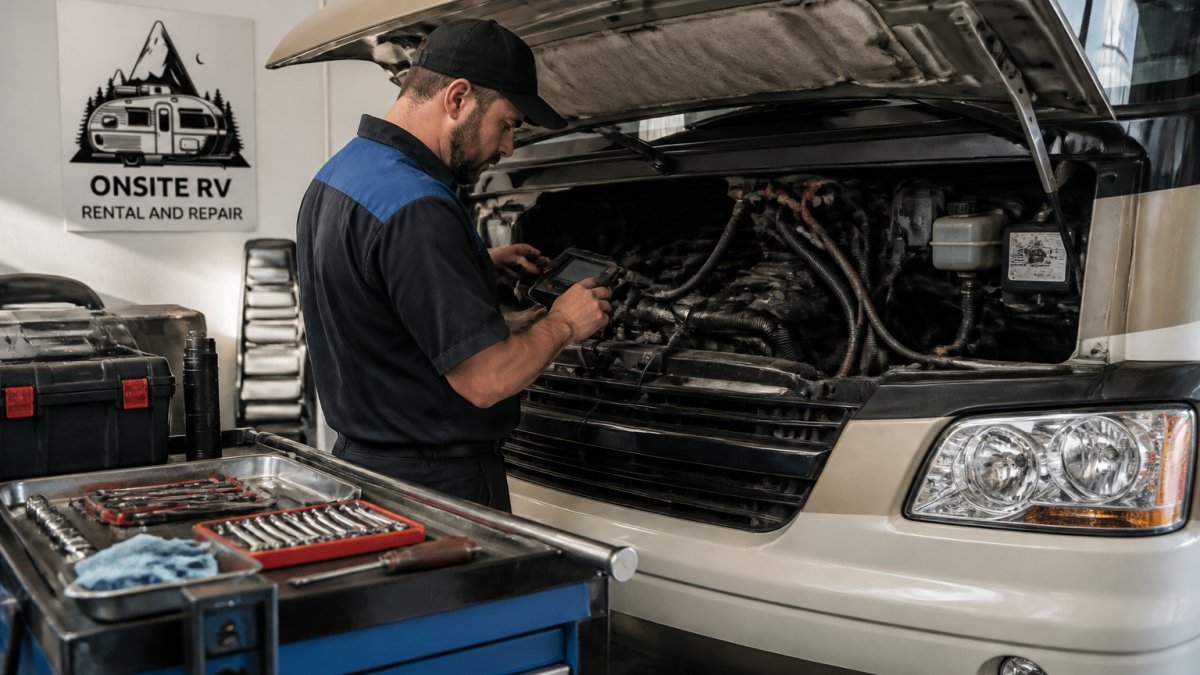
Verify that technicians understand recreational vehicle systems. Ask about their experience with your specific RV type and the systems you need serviced.
Check references and customer feedback. Ask the shop for contact information from recent customers, or search for online reviews. Pay attention to comments about communication, honesty, and follow-up service. A shop that explains work clearly and stands behind repairs is worth the effort to find.
Understand their service model. Do they offer mobile service, in-shop work, or both? What are their response times for emergencies? Some shops prioritize scheduled maintenance while others excel at roadside assistance. Match their strengths to your actual needs.
Ask about warranties on parts and labor. Reputable shops guarantee their work and parts for a specific period. This protection matters if something goes wrong after repairs are completed.
Pricing transparency is essential. Get written quotes before authorizing work. Understand what's included in the quote and what might cost extra. Be suspicious of shops that won't provide estimates or charge significantly more than quoted.
ONSITE RV RENTAL AND REPAIR delivers honest service, clear communication, and reliable repairs. We handle everything from minor maintenance to complex diagnostics, and we're upfront about costs before we start work.
Emergency Roadside Assistance and Towing
Breakdowns happen when you least expect them. Roadside assistance gets you back on the road or to a service facility safely. Understanding your options before you need help prevents panic and poor decisions.
Many RV owners carry roadside assistance memberships that cover towing to a nearby shop. These services are valuable for mechanical failures, tire blowouts, and accidents. However, not all assistance programs understand RV-specific issues or know which shops can properly service your motorhome.
Having a trusted rv repair shop already identified means you can direct the tow truck to someone you know and trust. This prevents being taken to a general automotive shop that lacks RV expertise.
ONSITE RV RENTAL AND REPAIR provides emergency assistance and can coordinate towing when necessary. We understand that breakdowns are stressful, and we work quickly to get you mobile again.
DIY Troubleshooting Before Calling a Mechanic
Before spending money on professional service, try these basic troubleshooting steps. Many common issues have simple fixes that save you a service call. However, knowing when to stop troubleshooting and call a professional prevents further damage and saves money in the long run.
Electrical problems: Check that your battery is fully charged and all connections are clean and tight. Verify that shore power is working by testing with a simple appliance like a lamp or phone charger. Reset your converter or inverter by turning it off and back on, then wait 30 seconds before powering back on. If you have a multimeter, test the battery voltage; it should read 12.6 volts or higher when fully charged. If voltage is below 12 volts, the battery may be failing and needs professional testing.
Water issues: If you have no water pressure, check that your fresh water tank is full and the pump is switched on. Listen for the pump humming when you turn on a faucet; if it's silent, the pump may have failed. For hot water, ensure your water heater is powered and has been running for 20 to 30 minutes to heat water. If the water heater won't ignite, check that your propane tank has fuel and the regulator valve is open. This requires professional inspection if you suspect a propane leak (see warning below).
Propane appliances not working: Verify that your propane tank has fuel by checking the gauge or weight. Ensure the regulator valve on the tank is open (turn counterclockwise). Check that the appliance's control switch is in the correct position and the pilot light is lit (some models require manual ignition with a lighter). If you smell propane, do not attempt further troubleshooting, evacuate and call a professional immediately.
Generator won't start: Ensure the fuel tank has diesel or gasoline and the fuel valve is open. Check that the battery is charged by testing lights or other 12-volt systems. Try running the generator under load (turn on an appliance) rather than just idling, as some generators won't start without a load. If the generator cranks but won't fire, the fuel may be stale (especially if stored over winter), and a professional should drain and refill the tank.
Refrigerator cooling poorly: In absorption refrigerators, ensure the unit is level; an unlevel motorhome significantly affects cooling efficiency. Check that cooling fins on the back are clean and not blocked by debris or leaves. Verify that the unit is set to the correct mode (propane, electric, or automatic). If the fridge is running but not cooling after 4 hours, the absorption element may have failed and requires professional replacement.
Brake issues: If brakes feel soft or spongy, check your brake fluid level in the master cylinder reservoir. Soft brakes can also indicate air in the brake lines, which requires professional bleeding using specialized equipment. Do not drive long distances with soft brakes; have them inspected before your next trip.
Slide-out won't retract: Verify that nothing is blocking the slide-out's path (awning, tree branch, or debris). Check that the switch is in the correct position and held long enough for the motor to engage. If the motor runs but the slide-out doesn't move, the drive mechanism may be jammed or the motor may have failed; this requires professional diagnosis.
Seasonal troubleshooting for the Pacific Northwest: The region's wet climate creates specific challenges. If you're experiencing water leaks during heavy rain, check that your roof seals and caulking are intact, especially around vents, air conditioning units, and slide-out edges. Small leaks can be temporarily sealed with RV-grade caulk, but persistent leaks indicate failing seals that need professional resealing. Before winter storage, drain your fresh water and gray water tanks completely and add RV antifreeze to all lines to prevent freeze damage; this is critical in the region's cold months and should not be skipped (What RVers Should Know In Winter Months).
When to call a professional instead of troubleshooting further:
- Propane system issues: Never attempt repairs yourself. Propane leaks are serious safety hazards.
- Electrical problems involving 120-volt shore power: Risk of electrocution. Have a qualified technician inspect.
- Transmission or engine performance issues: Diagnosis requires specialized diagnostic equipment.
- Structural damage or water intrusion: Mold and rot develop quickly in damp climates; professional assessment prevents hidden damage.
- Brake system failures: Safety-critical systems require professional service.
- Any repair you're uncertain about: A $150 diagnostic call is cheaper than a $1,500 repair caused by incorrect DIY work.
Conclusion
Finding a reliable rv repair shop that understands your recreational vehicle's unique systems is essential for safe, worry-free travel. Whether you need routine maintenance, emergency repairs, or diagnostic testing, the right service provider keeps your motorhome or trailer in top condition.
ONSITE RV RENTAL AND REPAIR delivers comprehensive RV services across Vancouver Island, including mobile mechanics who come to your location and a full-service shop. We handle everything from basic maintenance to complex electrical, plumbing, propane, and mechanical repairs. Our technicians take time to explain what's happening with your rig and recommend the best path forward.
Recreation Vehicle Industry Association safety guidelines emphasize the importance of regular maintenance and professional service for RV safety. Whether you're a new RV owner feeling overwhelmed by systems or an experienced traveler managing seasonal upkeep, professional service protects your investment and keeps your adventures on track.
Call ONSITE RV RENTAL AND REPAIR to book an appointment for maintenance, repairs, or diagnostics. We provide transparent pricing, prompt service, and the expertise you need to keep your RV safe and reliable for all your travels.
Frequently Asked Questions
What services does a local RV repair shop typically offer?
A full-service RV repair shop handles mechanical repairs on the chassis and engine, electrical system diagnostics and repairs, plumbing and water system maintenance, propane system service, appliance repair, tire and brake service, and preventative maintenance. Many also offer mobile service, traveling directly to your RV location for convenience. Services may include oil changes, transmission fluid checks, winterization, and system inspections to keep your recreational vehicle safe and reliable.
What are the benefits of mobile RV maintenance services?
Mobile RV maintenance services eliminate the need to drive your motorhome or trailer to a shop, saving time and wear on your vehicle. Technicians come to your campsite, home, or storage location, making routine maintenance and repairs more convenient. This is especially valuable for owners with large Class A motorhomes or those in remote areas. Mobile mechanics can handle many repairs on-site, from oil changes to electrical diagnostics, and can schedule appointments around your travel plans.
How often should I schedule professional RV maintenance?
Schedule routine maintenance annually or every 10,000 to 15,000 kilometres, whichever comes first. Before each trip, perform a basic vehicle inspection. Seasonal maintenance is critical: winterization in fall and de-winterization in spring are essential for RV owners in colder climates. Check tire pressure, fluid levels, and brakes regularly. Specific systems like propane and electrical should be inspected before extended trips. Following a preventative maintenance checklist helps catch small issues before they become expensive repairs.
What should I look for when choosing an RV repair shop?
Look for technicians with experience on your specific RV model and type. Ask about certifications and references from previous customers. Verify they handle the services you need, whether that's diesel engine repair, appliance service, or specialized diagnostics. Check if they offer mobile service for your convenience. Ask about warranty work and whether they stock common parts. Transparent pricing and clear communication about what's wrong with your RV are essential. Reading customer reviews and asking other RV owners for recommendations helps ensure you're working with a qualified, reliable service provider.