 How-to
Mobile RV Repair Parts Availability: What to Check First
Quick Summary
Mobile RV repair parts availability often determines how long a repair takes, because a technician who arrives without the needed part may need to order it and return later. Confirm the likely part and its lead time before booking to avoid a stalled repair and extra trips.
- Diagnosis is often completed during the first visit, while ordering and shipping can add several days or more.
- Ask the provider to confirm whether the likely part is in stock before the visit.
- Describe the RV year, make, model and symptoms, and send photos or serial numbers of the component.
- Clarify who orders the part, who pays for it, and whether it is returnable if wrong.
- Confirm the part again the day before the visit, since stock can change.
Table of Contents
Why Parts Availability Often Decides the Repair Timeline
Most RV owners expect a mobile repair to be quick, but mobile RV repair parts availability often determines how long the job really takes. A technician arrives, diagnoses the problem and fixes it on the spot. That works when the fix is a few adjustments or a fuse. It often breaks down when the repair needs a part that is not on the truck, and the wait for that part can stretch a single visit into several days. Knowing the parts situation before booking can often make the difference between a one-day job and a longer wait without your rig.
Parts availability is often a major factor in how long a repair takes. Diagnosis may take minutes to hours, while ordering and shipping can take days. A cracked water pump housing, a failed control board or a specific awning arm may have to come from a supplier on the mainland or from the manufacturer. Each step adds delay.
Here is how the timeline usually breaks down:
- Diagnosis: Often completed during the first visit
- Parts lookup: Confirms whether the component is in stock locally
- Ordering and shipping: Can add several days or more
- Installation and testing: Usually completed on a return visit
A common mistake is assuming the first appointment will finish the job. Ask whether the technician can confirm the needed part before the visit. That one question can save you a second trip and several days of waiting.
Types of RV Repairs That Usually Need Parts
Not every RV repair needs a new part. Some issues can be solved with cleaning, tightening, adjusting or resealing. Others almost always require replacement components, and those are the repairs most likely to create a waiting period.
Parts needs can vary with the age and make of the RV, and compatibility is worth checking for older or less common models.
How to Check RV Parts Availability Before You Book
Checking before you book can prevent a stalled repair. Start by describing the problem as clearly as you can. Include the RV year, make, model and any symptoms you have noticed. Photos of the affected area and any model or serial numbers on the component help a lot.
Then ask the service provider a few direct questions:
- Can you confirm whether the likely part is in stock?
- If not, what is the typical supplier lead time?
- Will you order the part before the visit, or after diagnosis?
- Is there a charge for ordering, shipping or restocking?
Ask for the answers in writing if possible. A quick email or text confirmation protects you if the timeline changes. Remember that stock can change between your call and the visit, so confirm again the day before.
Questions to Ask the Service Provider
Good questions help you set realistic expectations. These are useful to ask before any mobile RV repair:
- What is your process for sourcing parts?
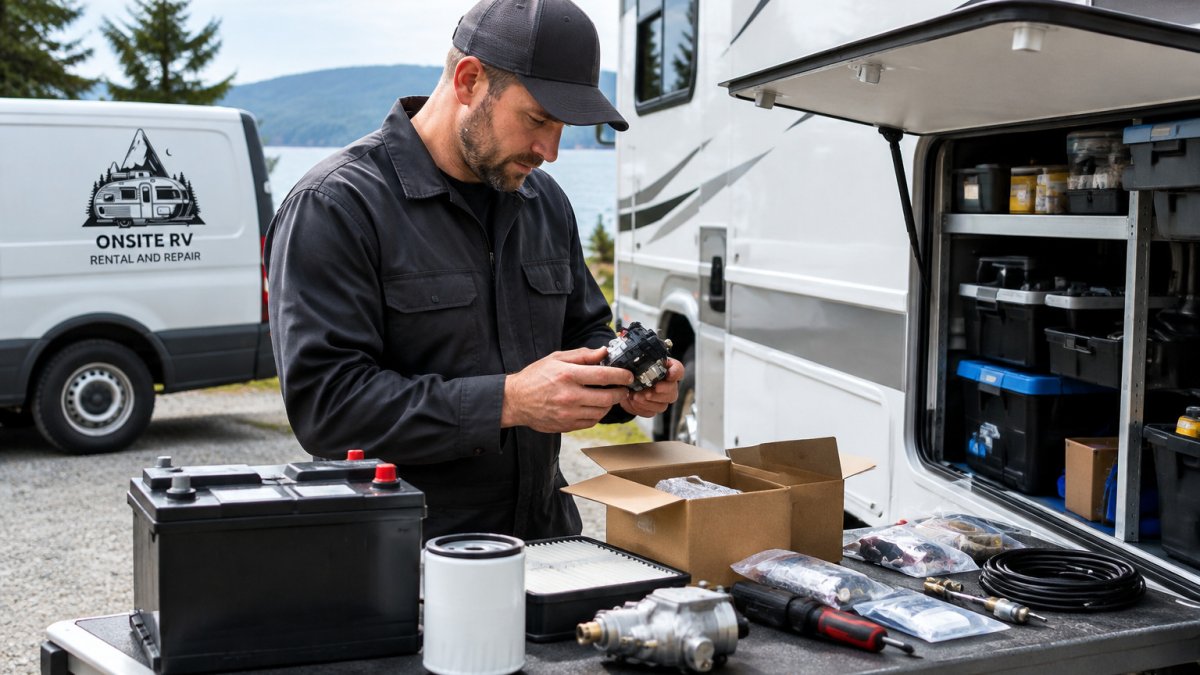
- Do you keep common parts on the service vehicle?
- How do you handle a part that arrives damaged or wrong?
- Will I receive an estimate that lists parts and labor separately?
- What happens if the part is backordered?
Pay attention to clear, specific answers. Vague replies about "getting it when we can" often signal a longer wait.
Confirming RV Parts Compatibility: OEM, Aftermarket and Substitutes
Parts come in three main types. OEM parts are made by the original manufacturer and match your RV's specifications exactly. Aftermarket parts are made by other companies and can cost less, though fit and quality vary. Substitute parts are alternatives that work in place of a discontinued or hard-to-find item.
Each type has trade-offs:
- OEM: Best fit, often higher cost, and sometimes slower to source
- Aftermarket: Often faster and cheaper, but confirm fit and warranty
- Substitute: Useful when the original is discontinued, but needs technical approval
Ask the technician which option they recommend and why. If a substitute is proposed, ask whether it changes any wiring, mounting or capacity.
What Information a Technician Needs to Identify the Right Part
Correct identification saves time. Gather this information before the visit:
- RV year, make, model and floor plan
- Manufacturer and model number of the component, found on its label
- Serial number, if the label has one
- Photos of the part and the surrounding connections
- A description of symptoms and when they occur
If you have the old part, bring it or take clear photos from several angles. A label photo is often the fastest way to match a replacement. The more detail you share, the less likely the wrong part is ordered.
How Backorders Affect Mobile Repair Scheduling
A backorder pauses the repair until the part arrives. This affects scheduling in a few predictable ways. The technician may need to hold your slot, reschedule around other jobs, or schedule a second visit once the part lands.
When planning around backorders, consider asking:
- Will you hold my appointment slot, or do I need to rebook?
- Who contacts me when the part arrives?
- Is there a cutoff date after which I should consider another option?
If you are traveling, a backorder can strand you. Factor that risk into your trip plans, and avoid booking tight departure dates until the part is confirmed.
RV Repair Parts Ordering: Who Orders, Who Pays and When
Clarify the ordering roles before any money changes hands. Clarify who orders the part before any money changes hands. Ask:
- Who places the order, you or the technician?
- Who pays for the part, and when is payment due?
- Is the part returnable if it is wrong?
- When will the part be ordered, before or after you approve the estimate?
Many customers are surprised by a deposit or a payment due before installation. Ask about this early so the cost picture stays clear. Ask whether written estimates show part cost, labor and shipping as separate lines.
Preparing for a Mobile Technician Visit and Waiting on a Part
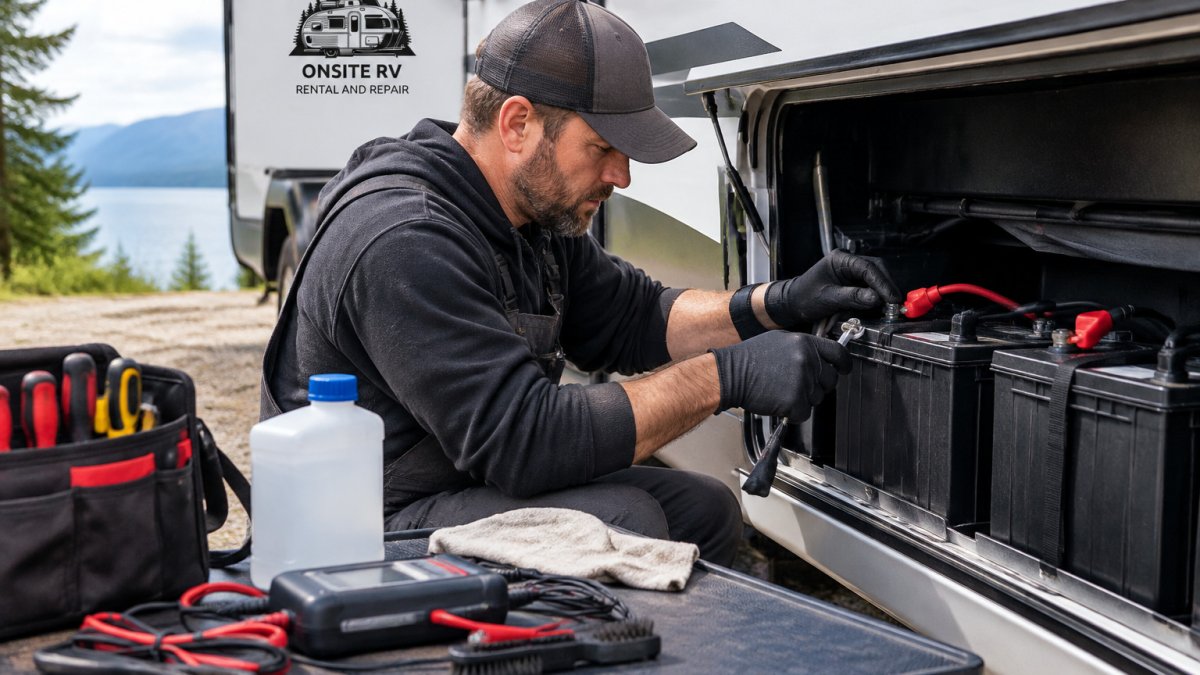
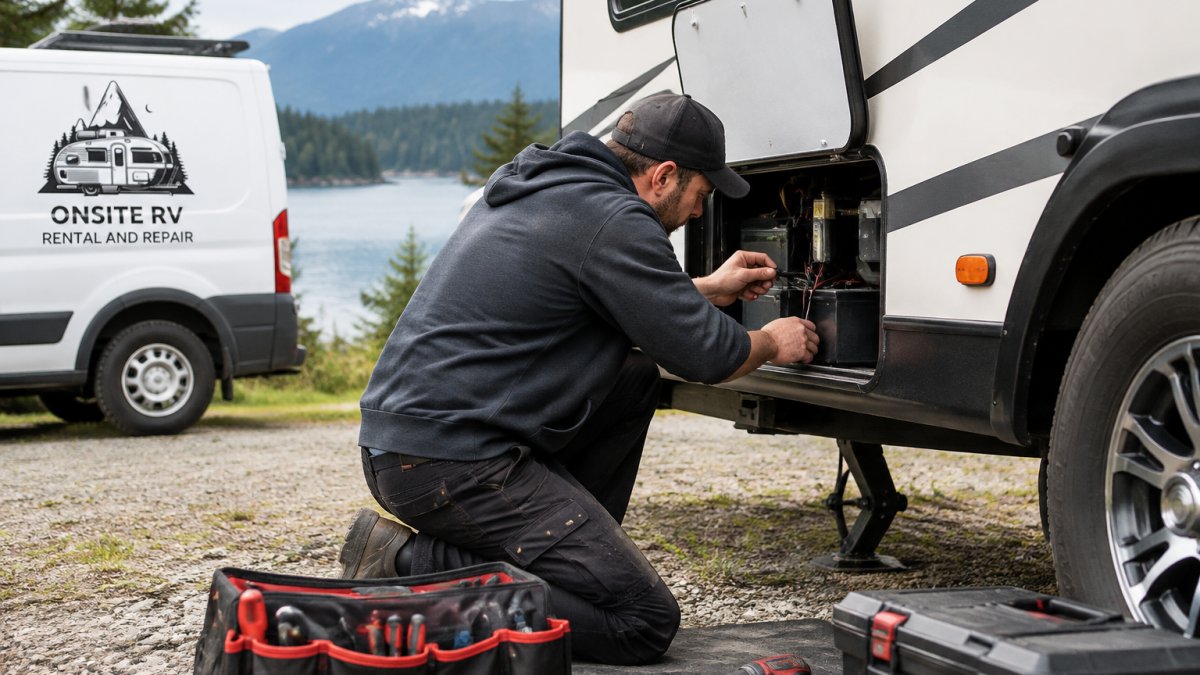
Good preparation makes a mobile visit smoother. Clear access to the RV matters most. Make sure the technician can reach the affected system, that the RV is level and stable, and that any hookups they need are available. Note any electrical or water connections in use.
While you wait for a part, keep the RV safe and usable:
- Stop using the affected system if it could cause damage or safety issues
- Take notes on symptoms, including when they occur
- Keep the part number and order details handy
- Check in with the provider at agreed intervals
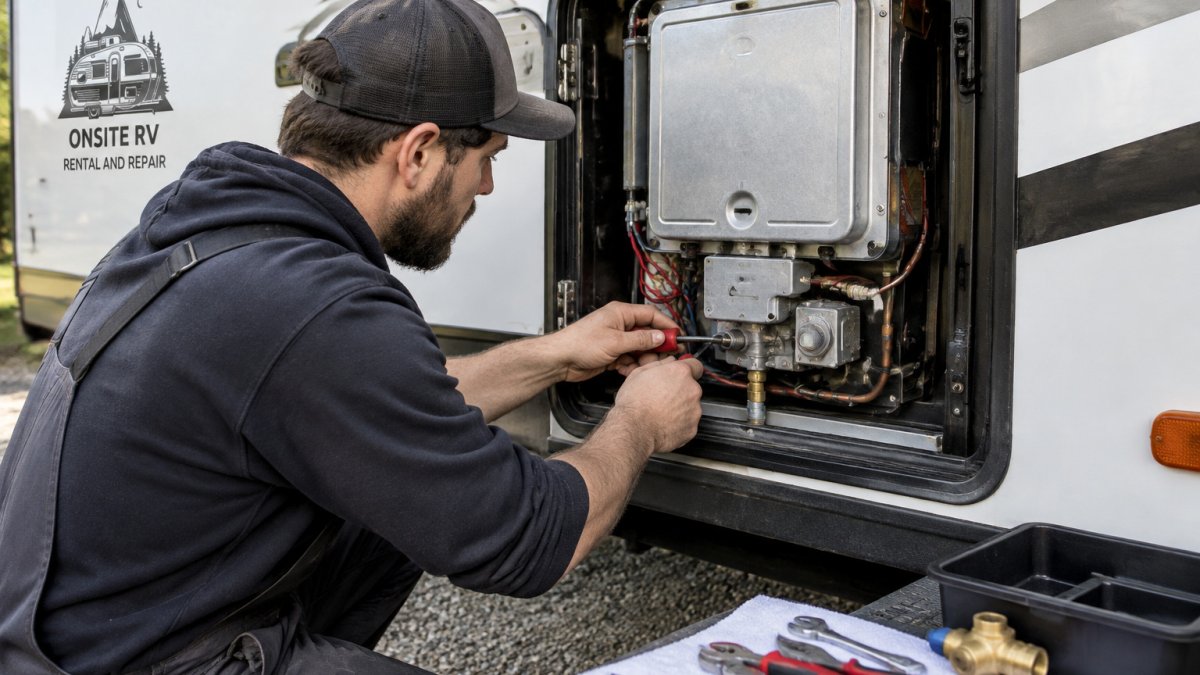
Watch out: Do not force a damaged system to work for a trip. Running a faulty propane or electrical component can cause harm, so follow the technician's guidance on what is safe to use.
Booking Your Mobile RV Repair With Parts Confirmed
Booking goes most smoothly when the parts question is settled first. Before you commit, confirm the likely part, its lead time, the ordering arrangement and the expected visit dates. Then book with the provider and keep a record of the confirmation.
ONSITE RV RENTAL AND REPAIR provides year-round mobile service across Vancouver Island and in-shop service. To plan a repair, call to book an appointment and describe your RV and the problem.
CALL TO BOOK AN APPOINTMENT
Frequently Asked Questions
Do mobile RV repair technicians carry parts with them?
Ask the provider what parts they typically have on hand before booking, and confirm whether a part can be ordered and installed during the same visit or needs a second appointment. Planning this upfront avoids paying for two service calls when one was expected.
How can I check whether a part is available before booking an RV repair?
Send the provider the exact part number, the make, model and year of your RV, and a photo of the component label. Ask whether they can confirm availability before booking. If the provider cannot check stock before booking, ask how long a typical order takes so you can plan around it. Written confirmation of part availability protects both you and the service provider.
What should I do if an RV repair part is backordered?
Ask the provider for the expected ship date, the supplier's name and whether a substitute part is acceptable for the repair. Confirm in writing how the delay affects the appointment, whether a deposit is needed, and whether the work can be partly completed in the meantime. If the RV is needed for travel, consider whether a temporary fix is safe. Keep the RV's warranty and service records with you so the next technician can see what was already done.