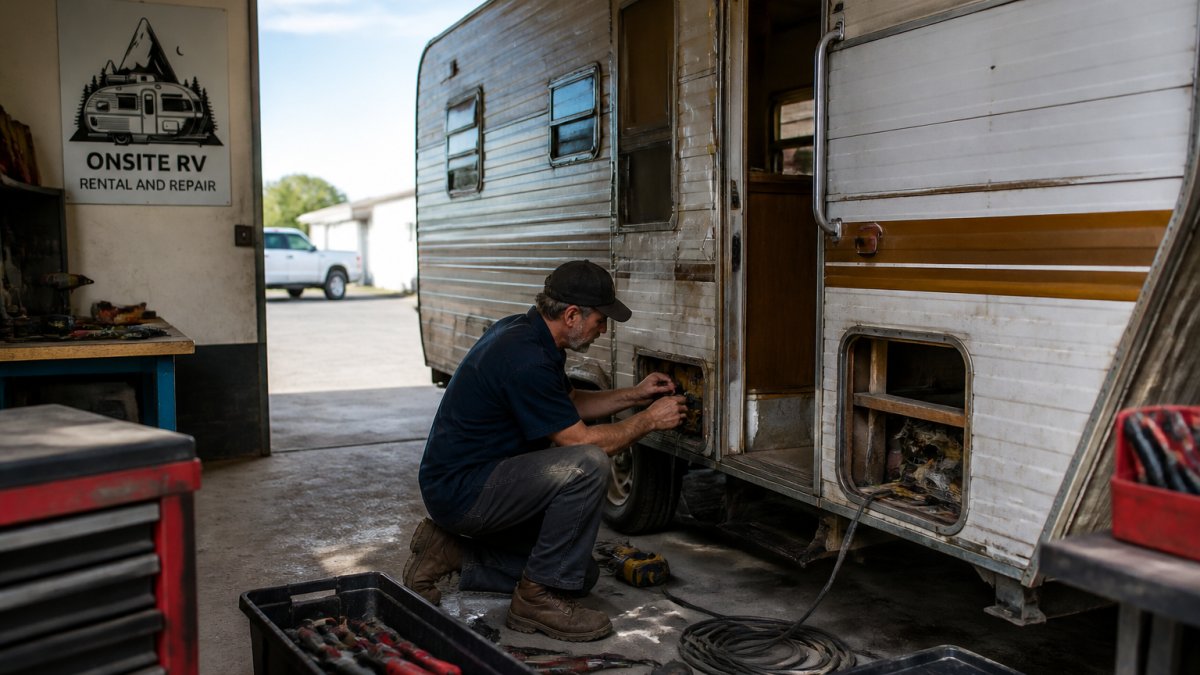
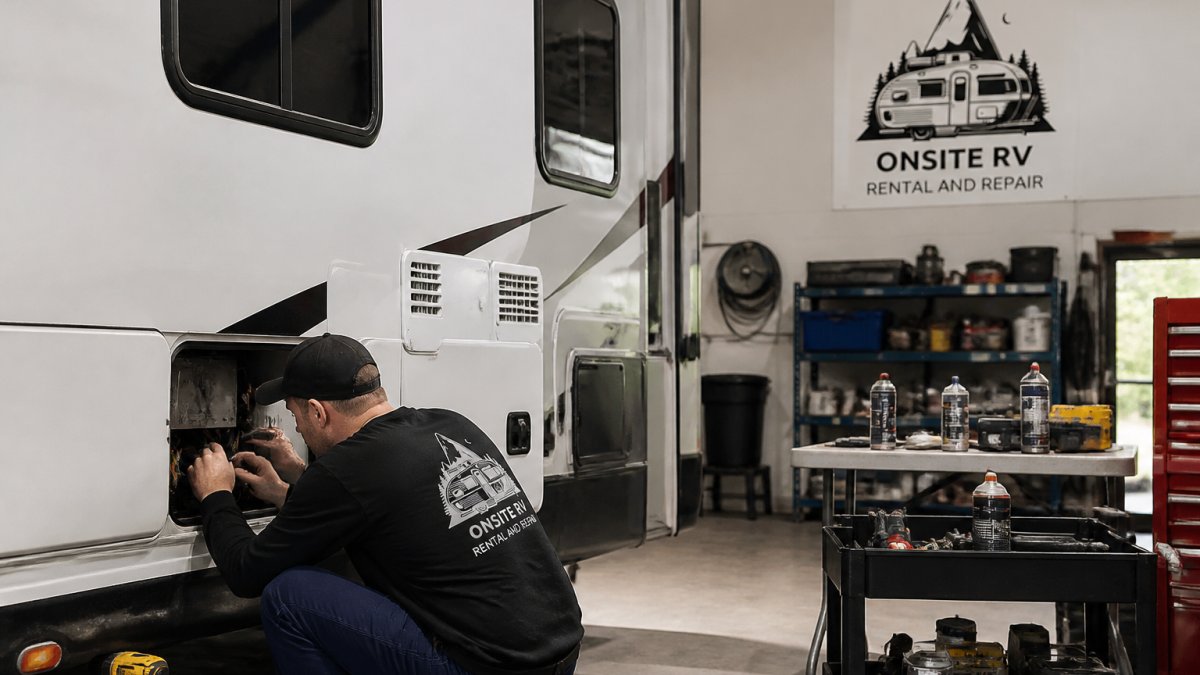
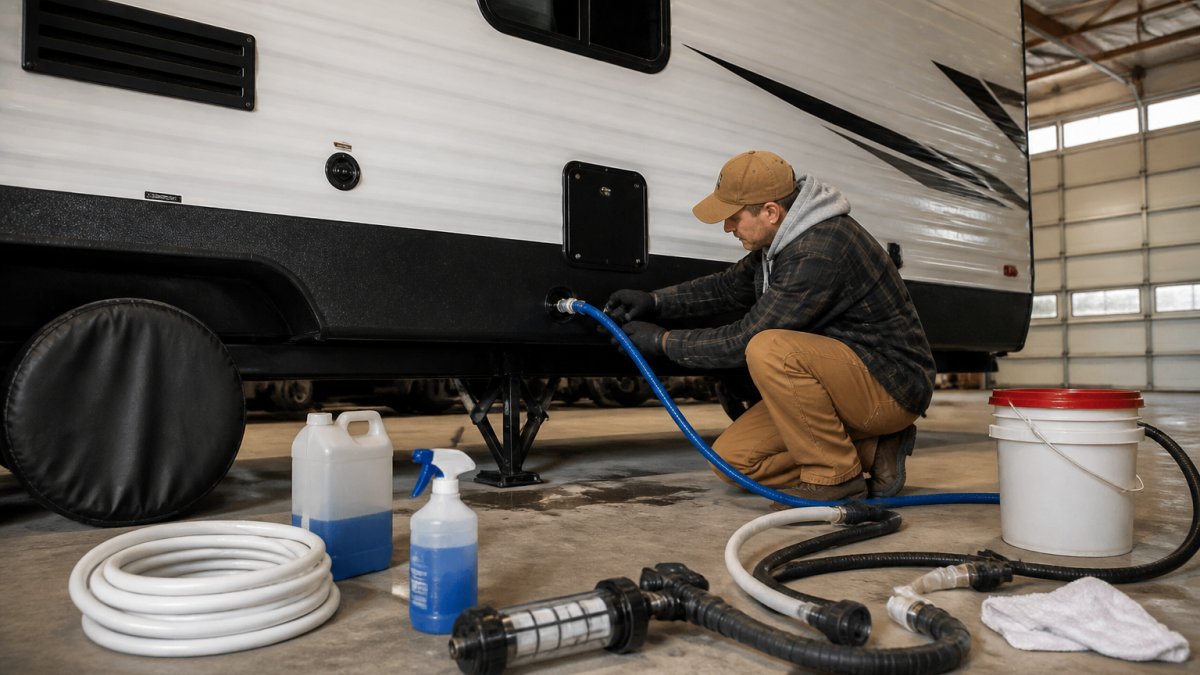
 comparison
Professional RV Inspection Services Cost: A 2026 Guide
Table of Contents
- Why Professional RV Inspections Matter Before You Buy
- What a Professional RV Inspection Includes
- Pre-Purchase RV Inspection: Scope and Levels of Service
- RV Inspection Checklist: What You Should Expect to See Documented
- RV Inspection Duration: How Long Does It Take?
- RV Inspection Report: Understanding Your Findings
- Cost Factors: What Affects Professional RV Inspection Pricing
- Dealer PDI vs. Independent Inspector: Key Differences
- How to Verify Inspector Credentials and Independence
- Hidden Damage and Costly Repairs an Inspection Can Uncover
- Frequently Asked Questions
Last Updated: October 7, 2026
Why Professional RV Inspections Matter Before You Buy
A professional RV inspection is a comprehensive assessment of an RV's systems, structure, and condition performed by a qualified technician before purchase. Whether you're buying a used motorhome, travel trailer, or fifth wheel, it protects your investment and reveals problems that could cost thousands to repair later.
Most RV buyers skip this step or rely on a quick dealer walk-through. That's a costly mistake: hidden damage in plumbing, electrical, propane, or structural systems often doesn't show up until you're on the road, after you've signed the papers.
Water intrusion, failed appliances, engine problems, and roof leaks are common findings that dramatically affect both safety and resale value. The cost of a professional RV inspection is a fraction of what these repairs will run.
The inspection gives you three things: peace of mind that the RV is safe, documentation of existing issues to negotiate the price down, and a clear picture of first-year maintenance.
What a Professional RV Inspection Includes
A complete professional RV inspection covers all major systems and components that keep your RV functional and safe. The scope varies by inspection level, but a thorough assessment examines everything from the roof to the chassis.
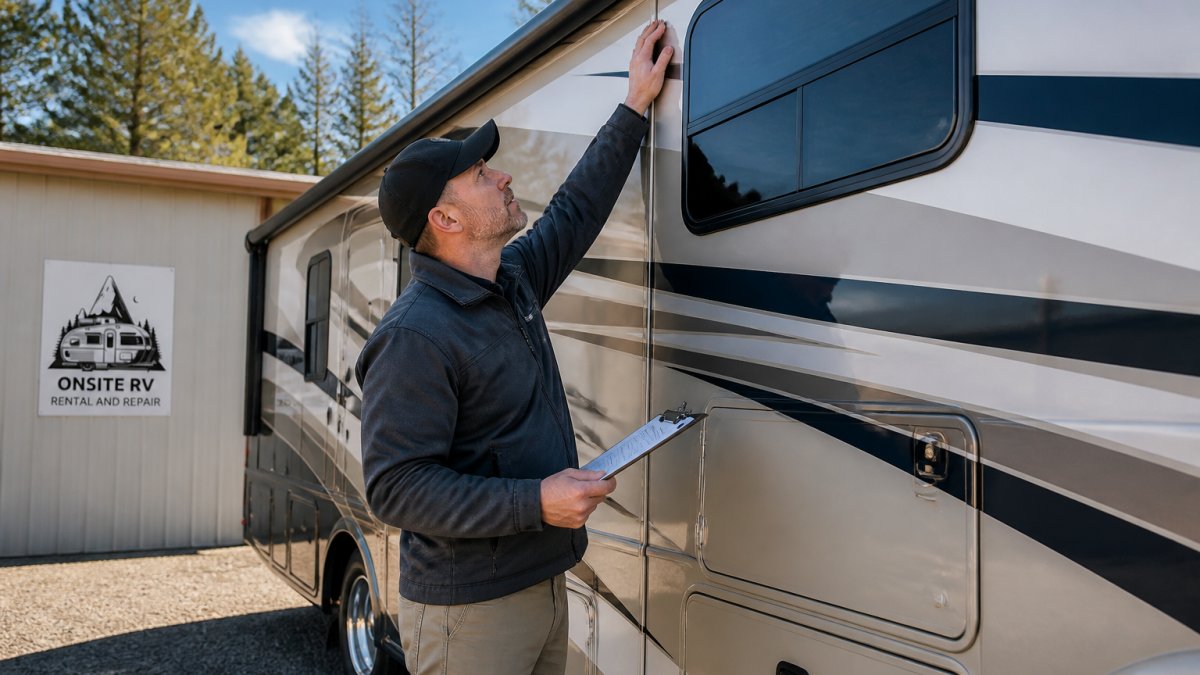
Core systems covered in every inspection
Every professional RV inspection assessment includes the essential systems that make an RV livable and roadworthy. The electrical system is tested for grounding, outlets, battery condition, and converter/inverter operation; plumbing for leaks, water pressure, water heater function, and tank condition; propane for leaks, regulator operation, and appliance function; and HVAC for heating and cooling performance.
The exterior is examined for water damage, roof condition, sealant integrity, window and door seals, and structural damage. The chassis and engine receive a visual inspection for fluid leaks, hose condition, and obvious mechanical issues. Appliances like refrigerators, stoves, microwaves, and washers are tested for operation. The inspector also checks all cabinetry, flooring, and interior surfaces for damage or deterioration.
Optional add-ons and specialized diagnostics
Beyond the core inspection, many buyers opt for deeper diagnostics. Oil analysis reveals engine wear and contamination. Thermal roof scans detect leaks and moisture invisible to the eye. Generator load testing confirms the unit can handle full power draw. Brake inspection tests braking performance on motorhomes.
Solar system diagnostics check panel output, battery bank condition, and inverter performance. Transmission fluid analysis tests condition and identifies potential issues. Roof leak detection using moisture meters pinpoints problem areas. These add-ons increase the professional RV inspection cost but provide detailed information for systems that are expensive to repair.
Pre-Purchase RV Inspection: Scope and Levels of Service
RV inspections come in different levels depending on how thoroughly you want the RV examined. Understanding the difference helps you choose the right scope for your budget.
Basic inspection level
A basic inspection covers the essential systems and gives a general overview of the RV's condition. The inspector visually assesses the exterior, checks that major systems power on and function, tests appliances, and reviews structural condition. It typically takes 2-3 hours and identifies obvious problems like leaks, non-functioning appliances, or visible damage.
A basic professional RV inspection is lower in cost because it doesn't include deep diagnostics or component-level testing. It's suitable for newer RVs in good condition or when you're just starting the buying process and want to eliminate obvious problem units before investing in a comprehensive inspection.
Comprehensive inspection level
A comprehensive inspection goes much deeper: every system is tested under load, fluid levels and conditions are checked, the roof is inspected in detail, all appliances are tested thoroughly, and major components are diagnosed. It includes checking for water intrusion, testing the generator under full load, inspecting the underside for damage, and documenting every system with photos and detailed notes.
A comprehensive professional RV inspection is higher in cost but justified by the level of detail. This is the standard choice for used RVs, especially older models or those with unknown history. It catches problems that a basic inspection would miss and gives you the documentation you need to negotiate price or walk away from a bad deal.
RV Inspection Checklist: What You Should Expect to See Documented
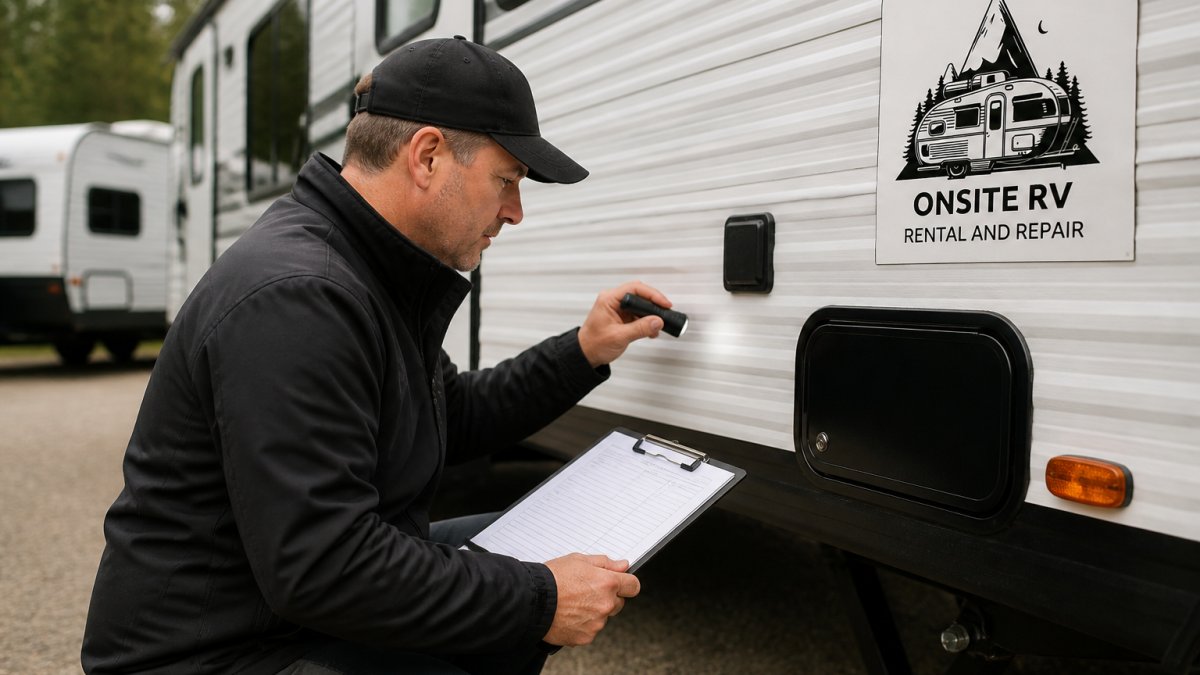
Your inspection report should contain a detailed checklist of everything examined, documenting the condition of every major system, noting problems found, and often including photos. Expect sections for exterior, roof and seals, windows and doors, plumbing, electrical, propane, appliances, HVAC, chassis and engine, interior, and any optional diagnostics performed.
The report should clearly distinguish items that are working properly, items needing attention soon, and items that are failing or unsafe, often via a color-coded or numbered severity scale. The best reports include repair recommendations, estimated costs for major issues, and guidance on what needs attention before your first trip.
A professional RV inspection report should be detailed enough that you could hand it to a repair shop and they'd know exactly what work needs to be done. If the report is vague or lacks detail, that's a red flag about the inspector's thoroughness.
RV Inspection Duration: How Long Does It Take?
The time required for a professional RV inspection depends on the RV's size, age, and inspection level. A basic inspection of a small travel trailer might take 2-3 hours; a comprehensive inspection of a large motorhome typically takes 4-6 hours. Some inspectors finish in a single day, while others schedule a follow-up if additional diagnostics are required.
Specialized diagnostics like roof thermal imaging or oil analysis add time. If multiple systems need testing or problems require deeper investigation, the inspection could extend to a full day or a second visit.
The time investment is worth it. Rushing through an inspection leads to missed problems. A thorough professional RV inspection takes the time it takes, and you should expect to wait several days for a detailed written report after the physical inspection is complete.
RV Inspection Report: Understanding Your Findings
Most buyers focus on the inspection itself and forget that the report is the actual product they are paying for. A thorough inspection that produces a vague report is worth far less than a clear one. Here is what a useful report contains and how to read it.
What a complete report includes
A professional report is a structured document, not a page of notes. Expect:
- A section-by-section checklist covering exterior, roof and seals, windows and doors, plumbing, electrical, propane, appliances, HVAC, chassis and engine, interior, and any add-ons performed
- Photographs of every defect, not just the major ones, with enough context to locate the issue on the unit
- A severity rating for each finding
- A distinction between safety-critical items, items needing attention soon, and normal wear for the RV's age
- Repair recommendations with priority ordering
- Inspector notes on items that could not be tested and why (for example, a winterized water system)
How findings are typically rated
Many inspectors use a simple three- or four-level scale. A common pattern is:
- Safety / immediate: must be corrected before use (propane leaks, brake defects, exposed wiring)
- Major: significant repair needed, often negotiable into price (water intrusion, failed appliances, roof delamination)
- Minor / monitor: functional but showing wear (sealant aging, small cosmetic damage)
- Informational: normal for age, no action required
Some inspectors use a numbered scale instead. What matters is that the report clearly separates the categories so you can see at a glance what is urgent and what is not.
Turnaround time
Physical inspections typically take two to six hours depending on size and tier, with the written report following within one to three business days. Some inspectors deliver a same-day summary with the full report to follow; others deliver everything at once. In a competitive buying situation, ask about turnaround before you book, a report that arrives after the RV is sold is useless.
How to use the report in negotiation
The report is your use. If it documents a failing refrigerator, active water intrusion, or a generator that won't carry load, you have a documented basis to request a price reduction or ask the seller to complete repairs before closing. If the report is clean, buy with confidence and use it as a baseline for your maintenance schedule.
Red flags in a report
A report that is vague, lacks photos, or does not rate severity suggests the inspection itself was shallow, as does a pass/fail list with no explanation. A good report should be detailed enough that an independent repair shop could read it and know exactly what work is needed without re-inspecting the unit.
Cost Factors: What Affects Professional RV Inspection Pricing
Most articles tell you inspection prices "vary" and stop there, not useful when you're trying to budget.
Typical price ranges by RV type and inspection tier
Pricing generally scales with RV size, system complexity, and how deep the inspection goes. The ranges below reflect common market patterns; confirm current rates with your inspector, since travel and add-ons change the total.
| RV type | Basic / walk-through | Comprehensive | Comprehensive + fluid and roof diagnostics |
|---|---|---|---|
| Travel trailer (under 7.6 m) | $250-$400 | $450-$650 | $650-$850 |
| Travel trailer (7.6-10.7 m) | $300-$450 | $500-$700 | $700-$900 |
| Fifth wheel | $350-$500 | $550-$800 | $800-$1,050 |
| Class B / camper van | $300-$450 | $500-$700 | $700-$900 |
| Class C motorhome | $400-$600 | $650-$900 | $900-$1,200 |
| Class A gas motorhome | $450-$700 | $750-$1,000 | $1,000-$1,350 |
| Class A diesel motorhome | $550-$850 | $900-$1,200 | $1,200-$1,600 |
These are inspection fees only. They do not include travel, fluid lab work, or any repairs.
What each tier actually includes
A basic tier is a visual and functional check: systems power on, appliances run, obvious leaks and damage are noted. It's a screening tool, not a purchase decision tool.
A comprehensive tier adds load testing (generator under full draw, A/C and furnace under load), hands-and-knees roof and sealant inspection, underside and frame review, and photo documentation of every finding.
The top tier adds lab-based fluid analysis and moisture or thermal roof scanning. These are the diagnostics that catch problems a visual inspection cannot see.
Itemized add-on pricing
When you compare quotes, ask for add-ons to be listed separately so you can compare on equal terms.
Travel, mileage, and remote-location fees
Mobile inspectors usually charge for the distance from their base. Ask whether the quote includes travel before you compare it to another inspector's number.
Scheduling, urgency, and seasonal factors
Spring and early summer are peak buying season, and inspectors book out further. Rush scheduling, weekend appointments, and holiday calls often carry a premium.
How to compare quotes on an equivalent basis
Two quotes for "$600" can mean very different things. Before you choose, confirm:
- Which tier the price reflects
- Whether travel is included
- Which add-ons are in the number
- Whether the report includes photos and severity ratings
- Turnaround time for the written report
Is the cost worth it?
The math is straightforward. The inspection does not just tell you whether to buy; it gives you documented use to negotiate the price down or to walk away before the money is spent.
Dealer PDI vs. Independent Inspector: Key Differences
When you buy from a dealer, they typically provide a Pre-Delivery Inspection (PDI). This is not the same as an independent professional RV inspection. Understanding the difference is critical to protecting your purchase.
A dealer PDI is performed by dealership staff or an inspector they hire. While some dealers are thorough, there's an inherent conflict of interest: the dealer wants to sell the RV, so they're motivated to minimize reported problems. A PDI often focuses on making sure the RV runs and basic systems function, not on finding every issue or assessing long-term condition.
An independent inspector has no stake in whether you buy the RV. Their only job is to find problems and report them accurately. They're not motivated to downplay issues or rush through the inspection. An independent professional RV inspection assessment provides unbiased documentation of the RV's actual condition.
Dealer PDIs are often included in the purchase price or offered at a reduced cost. Independent inspections cost more but provide protection the dealer PDI doesn't. Many smart buyers get both: they accept the dealer PDI and then hire an independent inspector before finalizing the purchase. That second opinion often catches issues the dealer missed or downplayed.
How to Verify Inspector Credentials and Independence
Before hiring an inspector, verify their qualifications and independence. Ask if they hold RV-specific certifications or training; some are certified through organizations that set standards for RV inspection practices. Certification isn't always required, but it indicates the inspector has met established standards.
Ask about their experience with your specific RV type; an inspector who specializes in motorhomes may be more thorough with a Class A than a travel trailer. Ask how many RV inspections they've performed and how long they've been in business; experienced inspectors spot problems newer ones miss.
Confirm they're independent. If they're affiliated with a dealership, repair shop, or RV sales company, they have a financial incentive to either minimize or exaggerate problems depending on their relationship with that business. A truly independent inspector has no connection to the RV, the seller, or any repair facility.
Ask for references from previous clients. A reputable inspector should provide contact information for past buyers; speaking with them reveals the quality and detail of their reports and whether they caught problems that became apparent later.
Hidden Damage and Costly Repairs an Inspection Can Uncover
The real value of a professional RV inspection becomes clear when it discovers problems the casual buyer would have missed. Water intrusion is one of the most common and expensive issues found during inspections. Water gets into walls, cabinetry, and structural components through failed seals, roof leaks, or window leaks. Once water damage starts, it spreads quickly and becomes very expensive to repair. An inspection catches this early, before the damage becomes catastrophic.
Roof damage and leaks are another major finding. A visual inspection from the ground might not reveal roof problems, but a thorough inspection includes checking seals, inspecting for soft spots, and looking for evidence of past leaks. Roof repairs on an RV are costly and complicated, so catching problems before you buy is essential.
Engine and transmission problems can be revealed through a professional RV inspection. Low fluid levels, leaks, unusual sounds, or diagnostic codes indicate problems that will be expensive to fix. An inspector who performs a road test or engine diagnostics catches these issues before you're stuck with a motorhome that needs thousands in repairs.
Appliance failures discovered during inspection can be negotiated into the purchase price. Refrigerators, water heaters, furnaces, and air conditioners are expensive to replace. Finding out they're failing before closing gives you use to reduce the price or ask the seller to replace them.
Structural damage from accidents, improper storage, or age-related wear is often hidden from casual inspection. Cracks in the frame, damage to the undercarriage, or problems with the slideout mechanisms are serious issues that an experienced inspector will find and document.
A professional RV inspection gives you the confidence that your purchase is safe and reliable. Before you commit to buying any used RV, invest in a thorough inspection from an independent, qualified professional. At ONSITE RV RENTAL AND REPAIR, we can guide you through the inspection process, help you understand your findings, and perform any repairs or diagnostics needed to get your RV road-ready. Visit us at https://mobileonsiterv.com to book an appointment for a professional RV inspection or to discuss your specific concerns about an RV you're considering purchasing.
Frequently Asked Questions
How much does a professional RV inspection cost?
Professional RV inspection pricing depends on the RV type, inspection scope, and whether mobile travel is required. Basic inspections typically cost less than comprehensive assessments. Travel fees, specialized diagnostics for propane or solar systems, and remote-location surcharges may apply. Contact a qualified inspector directly for a detailed quote tailored to your specific RV and needs.
What is included in a pre-purchase RV inspection?
A comprehensive pre-purchase RV inspection covers the chassis, engine, electrical system, plumbing, propane systems, appliances, roof condition, water damage, structural integrity, and interior components. Many inspectors also perform road tests and fluid analysis. The scope varies by inspection level; basic inspections cover essential systems, while comprehensive inspections examine every component in detail to identify hidden damage and costly repairs.
How long does a professional RV inspection take?
A basic RV inspection typically takes 2-3 hours, while a comprehensive inspection can take 4-6 hours depending on RV size and condition. Mobile inspections may take longer if the inspector needs to travel to your location. Complex diagnostics for specialized systems or detailed structural assessments can extend the timeline. Your inspector should provide a time estimate when you book.
Is an RV inspection worth it before buying?
Yes. A professional RV inspection protects your purchase by uncovering hidden damage, system failures, and costly repairs that could cost thousands of dollars to fix after purchase. An inspection report gives you use to negotiate the price, request seller repairs, or walk away from a problematic deal. For used RVs especially, the inspection cost is a small fraction of potential repair expenses and provides peace of mind.