 how-to
Emergency RV Repair on Vancouver Island: A Guide
Table of Contents
- What to Do Immediately After an RV Breakdown
- Emergency RV Repair Service Call: How to Prepare
- Emergency Triage by Symptom
- RV Appliance Repair and Common Failures
- RV Troubleshooting Checklist Before Calling for Help
- Understanding RV Repair Cost and Service Options
- Finding Emergency RV Repair Services on Vancouver Island
- Preventing Future Emergencies: Maintenance and Diagnostics
- Frequently Asked Questions
Last Updated: October 12, 2026
What to Do Immediately After an RV Breakdown
An RV breakdown on the road can feel overwhelming, but the first few minutes determine how quickly you'll get back on track. The moment you realize something is wrong, your priority is safety, not the repair itself.
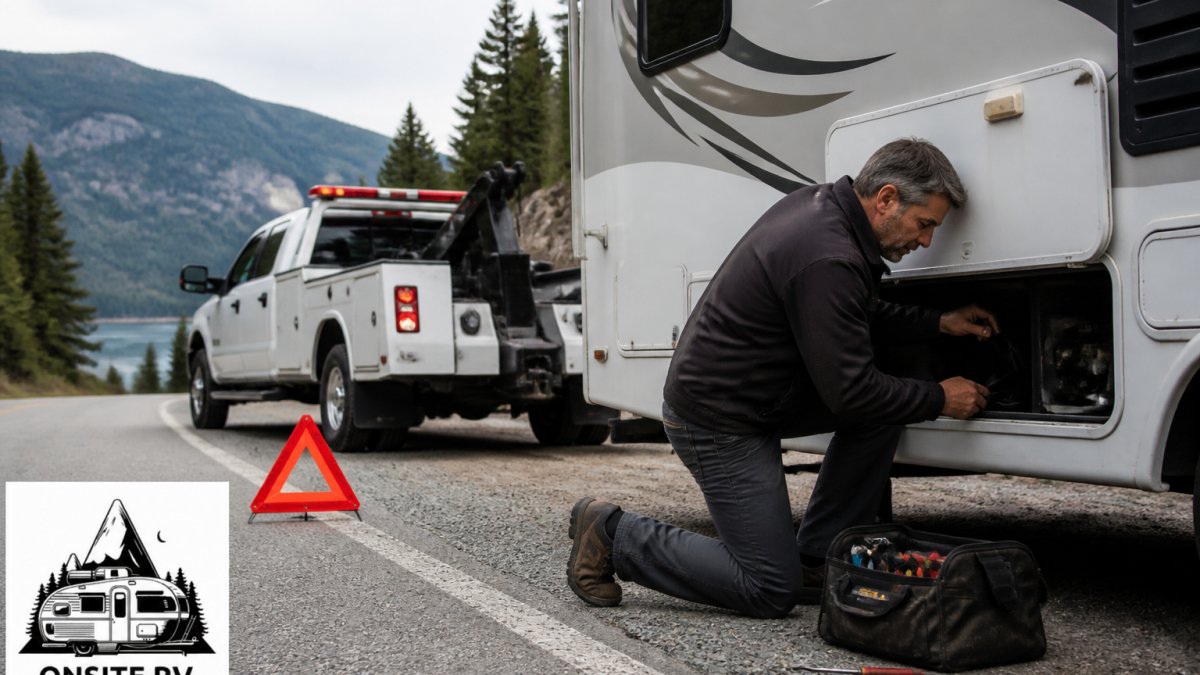
Pull over to a safe location immediately. If you're on a highway, use an emergency pullout or rest area. Turn on your hazard lights and set up warning triangles if you have them. Once you're safely stopped, take a breath and assess the situation before calling for help.
Document what happened. Write down the exact symptoms: strange noises, warning lights, loss of power, water leaks, propane smell, or appliance failures. Note the time, location, and what you were doing when the problem started. This information is invaluable when you call an emergency RV repair service. The more specific you are, the faster a technician can diagnose the issue.
Check if the problem is something simple you can fix yourself. A tripped breaker, a loose connection, or a clogged filter might be resolvable in minutes. But if you're unsure, don't experiment. Attempting a complex repair without knowledge can make things worse and cost more money down the road.
If you're stranded with passengers or pets, ensure everyone is comfortable and safe while you wait. Stay hydrated and keep your phone charged. Once you've stabilized the situation, you're ready to call for professional emergency RV repair services.
Emergency RV Repair Service Call: How to Prepare
Calling for help is straightforward, but being prepared makes the process faster and more efficient. When you contact an emergency RV repair service, the technician will ask specific questions to understand your problem and estimate arrival time.
Information to Have Ready
Gather these details before you pick up the phone. Have your RV's year, make, and model written down. Know the VIN (vehicle identification number) if possible, it's usually on your registration or inside the driver's door frame. Write down your current location as precisely as you can: highway name and mile marker, street address, or GPS coordinates work equally well.
Describe the symptoms clearly. Instead of saying "my RV isn't working," explain what you're experiencing: "The engine won't turn over," "Water is leaking from under the sink," "The furnace won't ignite," or "All the lights went out." Include any warning lights on the dashboard and any unusual sounds or smells. Tell the technician when the problem started and what you were doing at the time.
Mention any recent work done on the RV. If you had repairs completed recently or made modifications yourself, that context helps the technician troubleshoot faster. Also note if you've had similar issues before; patterns matter.
Safety Checks Before You Call
Before contacting emergency RV repair services, perform basic safety checks that take only minutes. Check if you smell propane or natural gas. If you do, evacuate immediately and call from a safe distance. Do not use electrical switches or create sparks. Turn off the propane supply at the tank if you can do so safely.
Look for visible damage: broken water lines, electrical damage, or structural issues. If you see something obviously broken, mention it when you call. Check your battery voltage if you have a multimeter; a dead battery explains many electrical problems and tells the technician what to expect.
Feel the engine (if it's safe to do so) to see if it's hot. A hot engine suggests overheating, which is a serious issue. Look under the RV for leaks: water, oil, coolant, or propane. The color and location of any leak tells a professional story about what's wrong.
Emergency Triage by Symptom
Not all RV problems require the same response. Understanding what you're dealing with helps you decide how urgent the situation really is and what kind of emergency RV repair service you need.
Electrical and Power Issues
Complete power loss is the most disruptive electrical failure. If every light, appliance, and system goes dark, check two things immediately: your main battery disconnect switch and your shore power connection. The disconnect switch, usually located near the battery or in a cabinet, might have been flipped accidentally. If it's in the off position, switch it back on. If you're plugged into shore power, unplug and replug the cord firmly; a loose connection cuts power to everything.
If both the battery disconnect and shore power connection look correct, your battery may be completely drained. This happens if you've run appliances without driving or plugging in for several days. A dead battery requires professional help to charge or replace, but it's not an emergency in the sense of leaving you stranded without options. You can wait for regular business hours in many cases.
Partial power loss, where some lights work but others don't, suggests a tripped breaker or blown fuse. Locate your breaker panel (usually in a kitchen cabinet or bathroom) and check for any breakers in the off position. Flip them back on. If a breaker trips again immediately, stop and call for help; repeated tripping indicates a serious electrical fault that needs professional diagnosis.
Plumbing and Water System Failures
Water leaks demand quick attention because they damage your RV's structure and create safety hazards. If you see water pooling under the RV or dripping from cabinets, find the source. Is it fresh water from your tanks or gray water from your sink and shower? Fresh water leaks are less urgent than gray water, which attracts bacteria and smells terrible.
Shut off your water pump immediately. The water pump switch is usually in a cabinet or on a control panel. This stops new water from flowing and gives you time to locate the leak. Check under sinks and behind cabinets for the source. Many leaks are at connection points where hoses attach to fittings; these sometimes loosen during travel.
If you can't locate the leak or if water is spraying actively, turn off your fresh water supply at the tank valve (usually located outside the RV) and call for emergency RV repair service. A pressurized water line leak can damage cabinets and flooring quickly.
No water at all suggests a frozen line (in winter), a tripped water pump switch, or a clogged filter. Try resetting the pump switch first. If that doesn't work and it's not freezing weather, the issue likely requires professional diagnosis.
Propane and Heating Problems
Propane problems demand immediate action because gas leaks are dangerous. If you smell rotten eggs or a sulfur-like odor (propane companies add this scent to detect leaks), evacuate immediately. Do not use electrical switches or create any sparks. Leave the RV, move at least 50 meters away, and call for help from a safe location.
If your furnace won't start or keeps shutting off, check whether your propane tank is empty. Most RVs have a gauge on the tank showing fuel level. An empty tank is the most common reason a furnace fails. If the tank has propane but the furnace still won't ignite, check that the furnace switch is in the on position and that you're hearing the ignition attempt (a clicking sound). If you hear clicking but no ignition, the furnace needs professional service.
In winter, a frozen water line in your propane system can block gas flow. This is rare but possible in extreme cold. If it's below freezing and your furnace stopped working suddenly, this might be the cause. Gently warming the propane line with warm (not hot) water sometimes restores flow, but if this doesn't work, call for emergency RV repair service.
RV Appliance Repair and Common Failures
RV appliances fail more often than chassis systems because they work harder in confined spaces and experience more temperature fluctuations. Knowing what's happening with your appliances helps you decide whether the situation is urgent.
Refrigerator Malfunctions
RV refrigerators are finicky. They work on propane, electricity, or both, depending on your model and how you've configured it. If your fridge stops cooling, check which power source it's currently using. If you're plugged into shore power, verify the outlet is working by plugging in another device. If the outlet works but the fridge doesn't, the fridge itself needs service.
If you're running on propane, check that the propane tank isn't empty and that the propane valve (usually at the tank) is open. Listen for the ignition click inside the fridge; if you hear nothing, the ignition system may have failed. A clicking sound followed by no flame means the burner isn't lighting, which requires professional repair.
Food spoilage is a real concern if your fridge fails during warm weather. Transfer perishables to a cooler with ice immediately. This isn't an emergency repair in most cases; you can usually wait until business hours to have it serviced, but the sooner you address it, the less food you'll lose.
Water Heater and Stove Issues
Water heaters fail for the same reasons furnaces do: empty propane tanks, failed ignition systems, or clogged burners. Check your propane level and verify the water heater switch is on. Listen for ignition clicks. If you hear clicks but no flame, or if you smell propane, turn off the water heater and call for service.
No hot water at all might mean your water pump is off or your fresh water tank is empty. Check the pump switch and fill your tank if needed. If both are fine but still no hot water, the heater's ignition system has likely failed.
Stove failures usually mean a burner won't ignite or stay lit. Again, check propane level first. If propane is available but burners won't light, the ignition electrode is probably dirty or damaged. This requires professional cleaning or replacement. You can still cook using your oven if it works, or use a camping stove outside as a temporary solution.
RV Troubleshooting Checklist Before Calling for Help
Before you contact emergency RV repair services, work through this quick checklist. Many problems resolve themselves or reveal simple fixes that save you time and money.
- Check all power sources: battery disconnect switch, shore power connection, breaker panel
- Verify propane tank valve is open and tank isn't empty
- Confirm water pump is on and fresh water tank has water
- Look for visible leaks, loose connections, or damaged hoses
- Reset any tripped breakers or circuit switches
- Check that appliance switches are in the on position
- Listen for ignition clicks on furnace, water heater, or stove
- Smell for propane or other unusual odors
- Restart the RV engine if the problem is electrical
- Document the exact symptoms and when they started
If you've worked through this list and the problem persists, you're ready to call for professional emergency RV repair service.
Understanding RV Repair Cost and Service Options
Emergency repairs cost more than scheduled maintenance because technicians respond quickly and may work outside regular hours. Understanding your options helps you make informed decisions about which type of service to use.
Mobile Service vs. Shop Repair
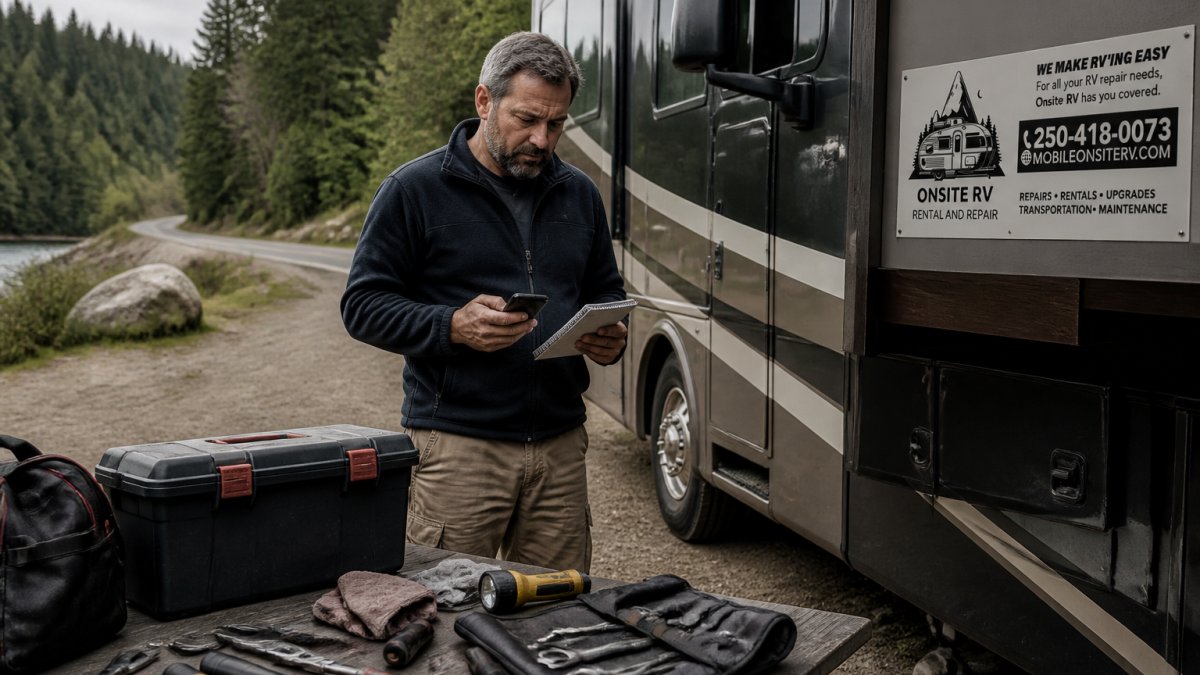
Mobile emergency RV repair services come to your location. This is faster and more convenient; you don't have to tow your RV anywhere. The technician arrives with tools and diagnostic equipment, performs the repair on-site, and you're back on the road. This convenience comes at a premium, but for many owners, it's worth the cost.
Shop repairs require you to tow your RV to a service facility. This takes longer and requires arranging towing, but shop repairs sometimes cost less because the technician isn't traveling. Shop service is best for complex repairs that require specialized equipment or multiple hours of work. For emergency situations where you need a quick fix to keep traveling, mobile service is usually the better choice.
At ONSITE RV RENTAL AND REPAIR, we offer both options. Our mobile technicians travel directly to you across Vancouver Island, and we also operate a service shop in Port Alberni for more involved repairs. We can help you decide which approach makes sense for your specific situation.
Emergency Response Times and Availability
Response times vary based on your location and the complexity of the problem. If you're on a main highway near a major town, a technician might reach you within an hour. If you're in a remote area, expect several hours. Weekend and after-hours calls typically take longer than weekday business-hours requests.
Availability also depends on how many emergency calls are pending. During peak travel seasons, response times increase. Having a clear understanding of realistic wait times helps you plan accordingly. When you call, ask the dispatcher for an estimated arrival window so you know what to expect.
Finding Emergency RV Repair Services on Vancouver Island
Vancouver Island has several options for emergency RV repair, but quality and response times vary significantly. Knowing what to look for helps you choose a reliable service provider.
Mobile Technicians and Onsite Service
Mobile technicians are your best option when you're stranded far from a service shop. They arrive at your location with diagnostic tools and common parts, ready to troubleshoot and repair. Look for technicians who specialize in RV systems, plumbing, electrical, propane, and appliances, not just general mechanical work.
Certified RV technicians have training in the specific systems your RV uses. They understand how propane systems differ from household versions, how RV electrical systems work differently than car electrical systems, and how to diagnose complex issues quickly. When you call, ask whether the technician is certified and what systems they specialize in.
ONSITE RV RENTAL AND REPAIR provides mobile emergency RV repair service across Vancouver Island. Our technicians arrive with comprehensive diagnostic equipment and parts inventory, ready to handle electrical, plumbing, propane, mechanical, and appliance repairs. We travel to you so you don't have to move your RV while it's broken.
Service Areas and Coverage
Not all emergency RV repair services cover all of Vancouver Island equally. Some operate only in major towns like Nanaimo or Victoria. Others cover the entire island, including remote areas like Ucluelet and Port Alberni. Check whether a service provider covers your location before an emergency happens.
Knowing your service area in advance prevents frustration when you're stranded and discover your preferred provider doesn't reach your location. Ask specifically: Do they service Qualicum Beach? Lantzville? Salt Spring Island? Powell River? The answer determines whether they're a viable option for your travels.
We service the full breadth of Vancouver Island, including Nanaimo, Lantzville, Errington, Qualicum Beach, North Saanich, Salt Spring Island, Port Alberni, and Powell River. Whether you're on a main highway or a remote logging road, we can reach you.
Preventing Future Emergencies: Maintenance and Diagnostics
The best emergency RV repair is the one you never need. Preventive maintenance catches problems before they strand you on the road. Regular diagnostics identify weak systems that might fail during travel.
Schedule professional diagnostics annually, ideally before your travel season begins. A technician inspects your propane system, electrical system, water system, appliances, and chassis. They test battery health, check all connections, verify propane line integrity, and confirm your furnace and water heater ignite properly. This thorough inspection costs far less than emergency repair and gives you confidence your RV is road-ready.
Perform basic maintenance yourself between professional visits. Check your propane tank level before long trips. Inspect water hoses for cracks or loose connections. Test your battery by starting the engine and confirming all lights work. Clean your furnace's intake vent to prevent blockages. These simple checks take 30 minutes and prevent most common emergencies.
Keep spare fuses, breakers, and basic tools on board. A spare water hose, propane adapter, and electrical connectors have saved many RV owners from expensive emergency calls. You don't need to carry everything, but a small emergency kit with the most common replacement parts is invaluable.
Emergency RV repair situations are stressful, but they're manageable when you know what to do and who to call. At ONSITE RV RENTAL AND REPAIR, we understand how critical it is to get your RV back in working order quickly. Our mobile technicians are available across Vancouver Island to handle electrical, plumbing, propane, mechanical, and appliance repairs. We arrive with comprehensive diagnostic equipment and parts inventory. Call us to book an appointment or discuss your emergency repair needs; we're here to keep your RV safe, reliable, and ready for your next adventure.
Frequently Asked Questions
What should I tell an RV repair technician when I call for emergency service?
Have your RV's model, year, and chassis type ready. Describe the exact symptom: Is there no power, water leaking, a burning smell, or an appliance not working? Mention your location and whether the RV is drivable. If you've already checked the basics (battery charge, propane valve position, water tank level), say so. This helps the technician diagnose the issue faster and arrive prepared with the right parts and tools.
How long does an emergency RV repair service call typically take?
Response time depends on your location and the technician's current workload. Simple diagnostics and repairs can take 30 minutes to two hours; complex issues like water damage or electrical faults may require longer. Always confirm estimated arrival and duration when you book.
Can I drive my RV if a major system is broken?
No. Do not drive if you have no brakes, steering issues, or active electrical fires. Avoid driving without working lights at night or in poor visibility. If your water or sewage system is leaking, driving risks damage and contamination. For propane leaks, do not operate the RV at all; evacuate and call emergency services. For appliance failures alone (fridge, stove), driving is safe, but have them repaired before your next trip.
What's the difference between mobile RV repair and shop repair for emergency situations?
Mobile technicians come to your location, reducing downtime if your RV is immobilized at a campsite or roadside. Shop repair may be faster for complex diagnostics but requires you to tow or drive the RV. For true emergencies, breakdowns far from home, or safety hazards, mobile service is often the only practical option. Some shops also offer mobile service for emergency calls. Ask about both options when you contact a technician.